Saving money is a fundamental financial skill, yet many people struggle to do it consistently. Unexpected expenses—medical bills, car repairs, or job disruptions—are one of the main reasons people fall into debt. An emergency fund acts as a financial safety net, protecting you from these setbacks and providing peace of mind.
What Is an Emergency Fund?
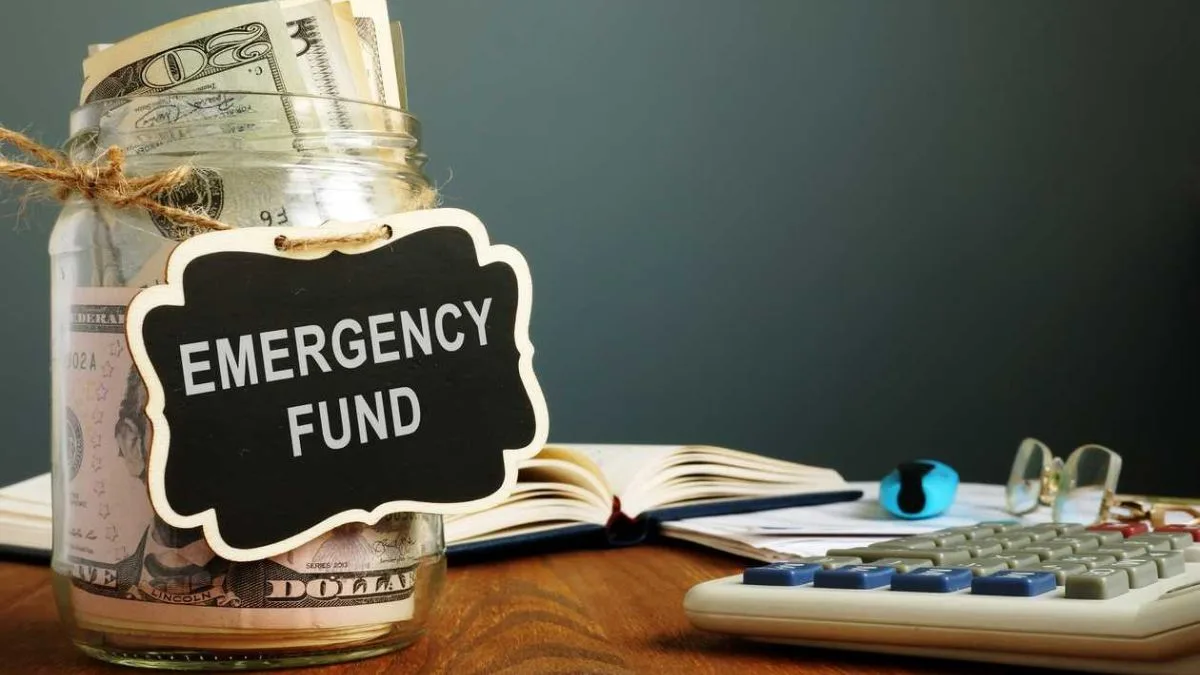
An emergency fund is a dedicated pool of money reserved exclusively for unexpected, necessary expenses. It is not for planned purchases, vacations, or discretionary spending. Its sole purpose is to prevent reliance on credit cards, loans, or withdrawals from long-term investments.
Common emergencies include:
-
Medical expenses
-
Vehicle repairs
-
Home maintenance issues
-
Temporary loss of income
Having cash available during these situations keeps your financial plan intact.
Why an Emergency Fund Is Essential
Without savings, even small financial shocks can create long-term damage. High-interest debt compounds quickly and often leads to ongoing financial stress.
An emergency fund provides:
-
Financial stability during uncertainty
-
Reduced dependence on credit
-
Protection for long-term investments
-
Greater confidence in financial decisions
It is the foundation upon which all other financial goals are built.
How Much Should You Save?
The ideal emergency fund size depends on income stability and personal circumstances.
General guidelines:
-
3 months of expenses for stable income earners
-
6 months or more for freelancers or variable income
-
1 month minimum as an initial target
Focus first on reaching a starter emergency fund, then expand it gradually.
Step 1: Calculate Monthly Essential Expenses
List only necessary expenses, including:
-
Housing
-
Utilities
-
Food
-
Transportation
-
Insurance
-
Minimum debt payments
This number determines how much you need to survive without income.
Step 2: Set a Realistic Savings Goal
Large savings goals can feel overwhelming. Break them into manageable milestones:
-
First $500
-
First $1,000
-
One month of expenses
-
Three months of expenses
Each milestone builds momentum and motivation.
Step 3: Start Small but Consistent
Saving does not require large amounts of money. Consistency matters more than size.
Effective saving strategies include:
-
Automatic transfers on payday
-
Rounding up purchases into savings
-
Saving tax refunds or bonuses
-
Cutting one non-essential expense
Even small weekly contributions add up over time.
Step 4: Choose the Right Account
Emergency funds should be liquid and accessible. The goal is safety, not high returns.
Best options include:
-
High-yield savings accounts
-
Money market accounts
Avoid placing emergency funds in volatile investments where value can drop unexpectedly.
Step 5: Protect the Fund From Misuse
Clearly define what qualifies as an emergency. Label the account and keep it separate from everyday spending.
Using the fund for non-emergencies defeats its purpose and delays financial progress.
Step 6: Replenish After Use
If you use part of your emergency fund, rebuilding it should become a top priority. Treat replenishment like a mandatory expense until the fund is restored.
Common Saving Mistakes
-
Waiting to earn more before saving
-
Keeping savings in checking accounts
-
Investing emergency funds in risky assets
-
Giving up after small setbacks
Saving is a habit developed over time, not a one-time action.
Saving Beyond the Emergency Fund
Once your emergency fund is established, savings can expand toward:
-
Short-term goals
-
Major purchases
-
Investing and wealth building
An emergency fund creates the stability needed to take smarter financial risks later.
Building Financial Security Through Saving
Saving money is not about deprivation—it is about security and choice. An emergency fund ensures that unexpected events do not derail your financial future.
About the Author