
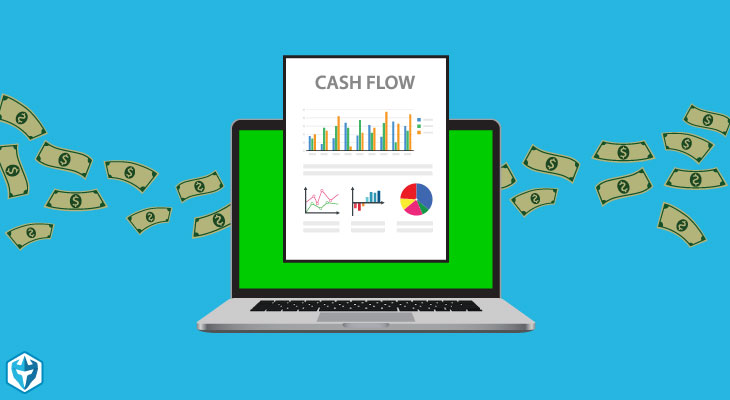
Creating your first passive income stream is an important milestone, but real financial impact comes from scaling. Small, inconsistent earnings can be transformed into reliable long-term cash flow through reinvestment, optimization, and strategic expansion. Scaling passive income is less about working harder and more about improving systems.
Step 1: Stabilize Before You Scale
Before attempting to grow a passive income stream, it must be stable. Stability means predictable income, manageable expenses, and consistent performance over several months.
Scaling an unstable system amplifies problems rather than profits.
Key indicators of stability include:
-
Consistent monthly earnings
-
Clear understanding of income drivers
-
Low volatility or manageable risk
Only once these are in place should scaling begin.
Step 2: Reinvest Profits Strategically
Reinvestment is the engine of passive income growth. Early profits should rarely be withdrawn for personal spending. Instead, they should be used to strengthen the income source.
Examples of smart reinvestment include:
-
Purchasing additional dividend-paying assets
-
Funding content creation or advertising
-
Improving tools, hosting, or automation
-
Expanding product offerings
Reinvestment accelerates compounding and shortens the time required to reach meaningful income.
Step 3: Optimize What Already Works
Many people attempt to scale by adding new income streams too quickly. A more efficient approach is to optimize existing ones.
Optimization may involve:
-
Improving conversion rates
-
Increasing traffic or visibility
-
Reducing expenses and inefficiencies
-
Refining pricing strategies
Small improvements across key metrics often produce significant gains without adding complexity.
Step 4: Automate Repetitive Processes
Automation reduces time involvement and preserves passivity. The goal is to remove yourself from routine tasks as much as possible.
Common automation opportunities include:
-
Automated investing and dividend reinvestment
-
Email marketing sequences
-
Sales funnels and payment processing
-
Content scheduling and reporting
Automation allows income to grow without proportional increases in effort.
Step 5: Diversify Without Diluting Focus
Once a core income stream is optimized and automated, diversification reduces risk and increases resilience. However, diversification should be intentional, not scattered.
Effective diversification examples:
-
Adding related digital products to an existing audience
-
Expanding from one investment class to another
-
Launching complementary monetization methods
Avoid diversifying into areas that require entirely new skill sets unless resources allow.
Step 6: Leverage Compounding and Time
Compounding is the most underestimated force in passive income. Whether through reinvested dividends, growing audiences, or expanding asset portfolios, time magnifies results.
Even modest monthly income can become substantial when consistently reinvested and allowed to compound over years.
Patience is not passive income’s weakness—it is its advantage.
Step 7: Protect and Maintain Your Income Streams
Scaling increases exposure. As income grows, protecting it becomes essential.
Protection strategies include:
-
Emergency funds
-
Insurance and legal safeguards
-
Platform diversification
-
Regular performance audits
Sustainable passive income is built to withstand market changes and external disruptions.
Step 8: Define Your Passive Income Goal
Scaling without a clear goal leads to inefficiency. Define what success looks like:
-
Covering monthly expenses
-
Supplementing active income
-
Achieving financial independence
Clear targets guide reinvestment decisions and prevent unnecessary risk.
Turning Passive Income Into Financial Freedom
Passive income is not about eliminating work entirely. It is about gaining control over time, choices, and financial security. Scaled correctly, passive income reduces reliance on active income and creates optionality in life and career decisions.
For wisemoneygeek readers, the focus should always remain on sustainability, education, and smart financial leverage—not shortcuts.
With the right mindset, systems, and consistency, passive income can evolve from a small side project into a powerful long-term wealth engine.
About the Author