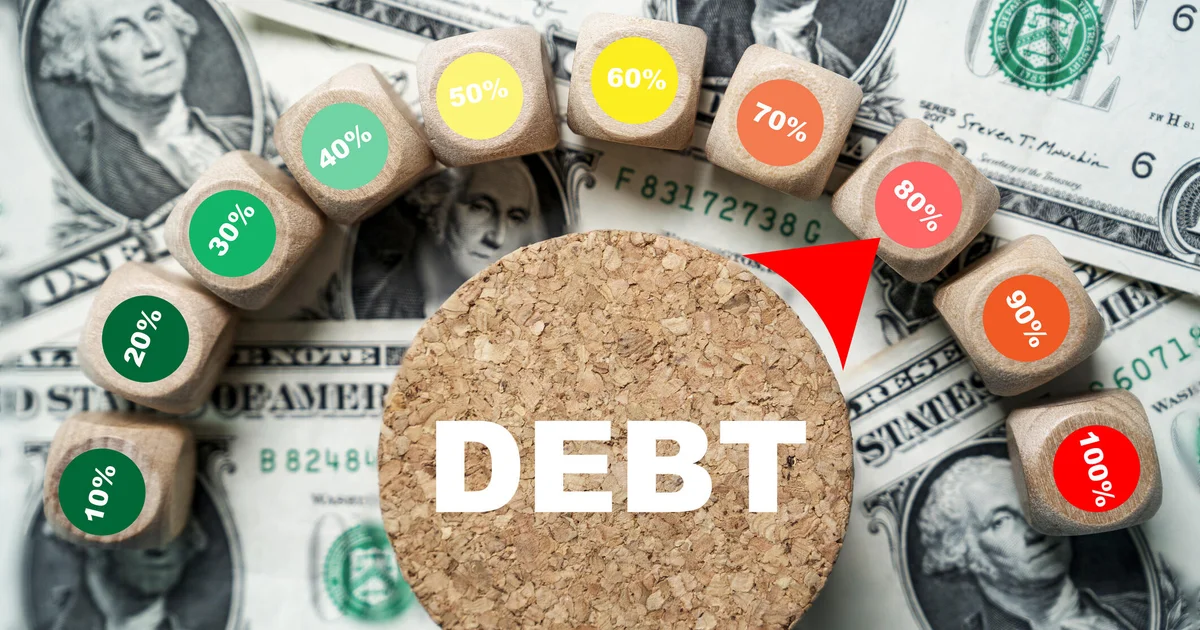
Debt is one of the most influential forces in personal finance. Used strategically, it can help build assets such as education or property. Mismanaged, it can trap individuals in long-term financial stress. Understanding how debt and interest work is essential for making informed financial decisions and regaining control of cash flow.
What Debt Really Is
Debt occurs when you borrow money with the obligation to repay it, usually with interest. Common forms of personal debt include:
-
Credit cards
-
Personal loans
-
Student loans
-
Auto loans
-
Mortgages
Not all debt is equal. The key difference lies in interest rates, terms, and purpose.
Good Debt vs. Bad Debt
Although the terms are debated, debt can generally be categorized by its long-term impact.
Productive debt
-
Used to acquire appreciating assets
-
Often has lower interest rates
-
Examples: education, mortgages
Consumptive debt
-
Used for depreciating items
-
Often high interest
-
Examples: credit cards, payday loans
The goal is not to eliminate all debt, but to manage it strategically.
How Interest Works
Interest is the cost of borrowing money. It is calculated as a percentage of the outstanding balance and charged over time.
High-interest debt grows rapidly, especially when only minimum payments are made. Credit cards, for example, can carry annual percentage rates (APRs) exceeding 20 percent.
Compound interest works against borrowers when balances are not paid down aggressively.
Minimum Payments: The Hidden Trap
Minimum payments are designed to keep accounts active for long periods. While they reduce required monthly payments, they dramatically increase total interest paid.
Paying only the minimum can turn a small balance into years of repayment.
Step 1: List All Debts Clearly
Create a complete debt inventory, including:
-
Creditor
-
Balance
-
Interest rate
-
Minimum payment
Clarity is the first step toward progress.
Step 2: Choose a Debt Payoff Strategy
Two proven strategies dominate personal finance:
Debt Snowball
-
Pay smallest balances first
-
Builds motivation through quick wins
Debt Avalanche
-
Pay highest interest rates first
-
Minimizes total interest paid
Both work. The best method is the one you can stick with consistently.
Step 3: Free Up Cash Flow
To accelerate debt payoff:
-
Reduce discretionary spending
-
Redirect savings temporarily
-
Increase income through side work
Even small extra payments significantly reduce payoff timelines.
Step 4: Avoid Accumulating New Debt
Paying off debt while accumulating more defeats the process. Address spending habits and remove triggers that lead to debt reliance.
Consider reducing credit limits or switching to cash-based spending temporarily.
Step 5: Consider Refinancing or Consolidation
Lowering interest rates can significantly improve outcomes. Options include:
-
Balance transfer cards
-
Personal loan consolidation
-
Student loan refinancing
Always compare fees, terms, and long-term costs before proceeding.
Common Debt Mistakes
-
Ignoring high-interest balances
-
Closing accounts prematurely
-
Using savings without a plan
-
Feeling discouraged by slow progress
Debt repayment is a process, not an event.
Life After Debt
Eliminating high-interest debt frees cash flow for saving and investing. It also reduces financial stress and increases flexibility.
Once debt is under control, redirected payments can build wealth rather than service interest.
Debt as a Financial Tool
Debt is neither inherently good nor bad. Its impact depends on how it is used and managed. Financial discipline and awareness transform debt from a burden into a manageable tool.
About the Author